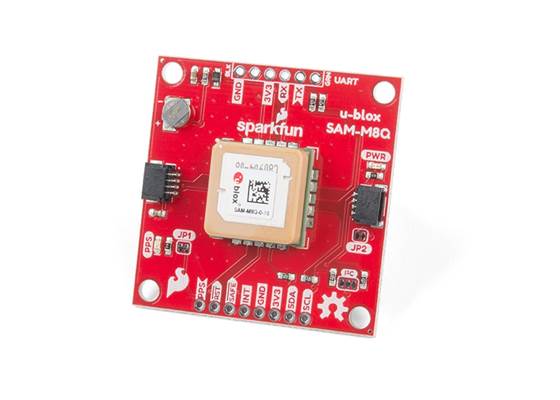
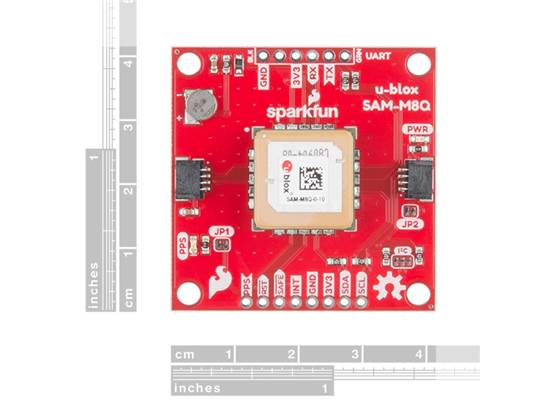
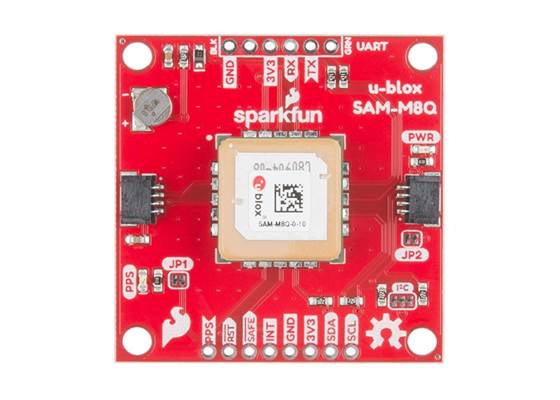
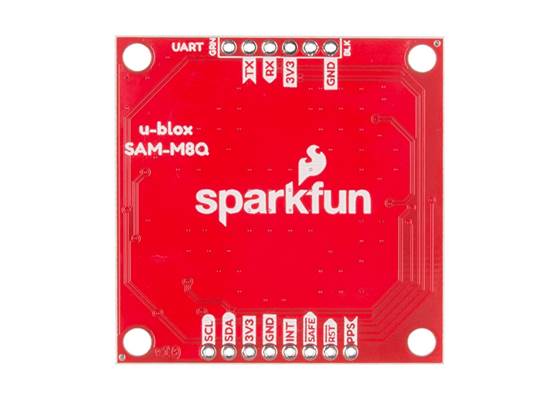
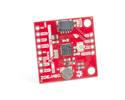
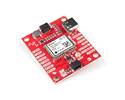
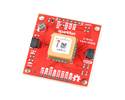
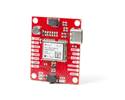
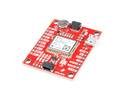
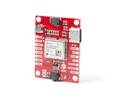
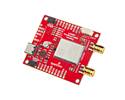
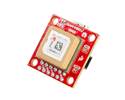
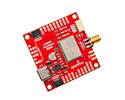
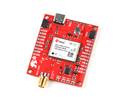
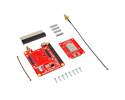
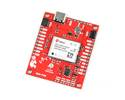
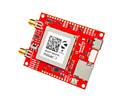
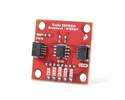
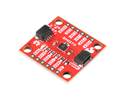
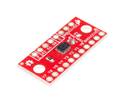
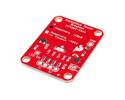
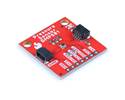
Powered by the 72-channel SAM-M8Q engine, this breakout tracks GPS, GLONASS, and Galileo simultaneously. Includes a built-in smart antenna and LNA for superior reception.
Special Order
Shipping from $9.90
+10 more from our supplier in 7-10 days
Our Code: SKU-005424
Supplier Link: [SparkFun MPN:15210]
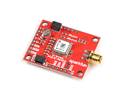
The SparkFun SAM-M8Q GNSS Breakout is an easy-to-use GPS board designed for projects requiring an economical, all-in-one PNT solution. Built around the SAM-M8Q from u-blox, this module is a "Smart Antenna" receiver, meaning the antenna is built directly into the module itself, eliminating the need for bulky external antennae or complex RF wiring.
At the heart of this board is the impressive u-blox SAM-M8Q module. Don't let the price fool you, this breakout is a complete GNSS subsystem packed with features often seen on high-end models.
Standard GPS modules often monopolize a hardware serial (UART) port, which can be a headache on smaller microcontrollers. This breakout solves that by using I2C (or what u-blox calls the Display Data Channel).
However, if you want to skip the programming entirely, this breakout is fully compatible with the SparkFun OpenLog Artemis and DataLogger systems. When connected, the receiver is automatically detected, scanned, configured, and logged. This allows you to start gathering proximity data immediately! No programming, soldering, or complex setup required.
Waiting for a GPS lock can be frustrating. To minimise this, the board includes an onboard rechargeable battery that powers the module's internal Real-Time Clock (RTC) and preserves GNSS orbit data. This backup power reduces the Time-To-First-Fix from a cold start (~30 seconds) to a hot start of just ~1 second.
While power users can configure settings such as baud rates, update rates, geofencing, and spoofing detection using the detailed u-centre Windows software, we have made these settings accessible to everyone via the SparkFun Arduino Library. You can control all these features directly from your code without ever leaving the Arduino IDE.
SAM-M8Q GNSS Breakout:
SAM-M8Q GNSS Module:

 Brands