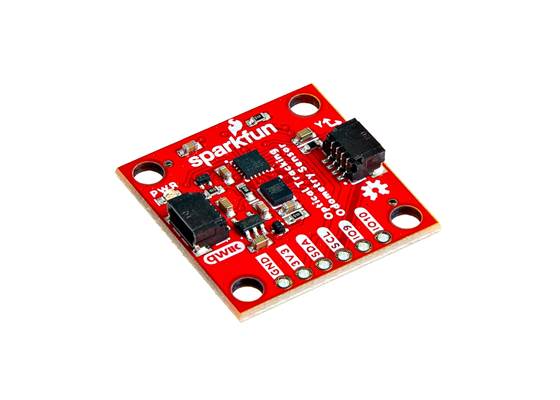
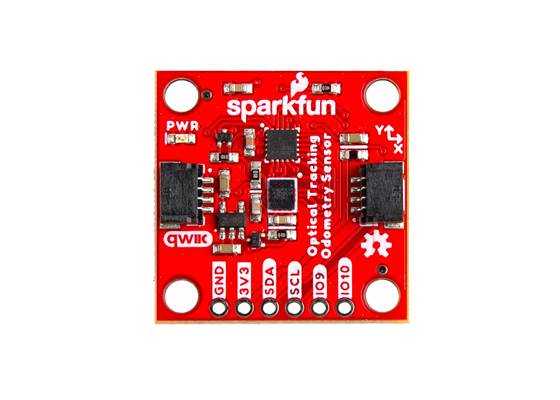
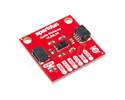
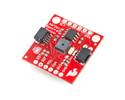
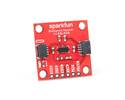
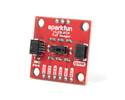
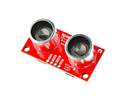
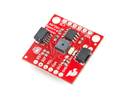
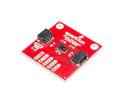
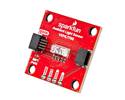
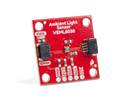
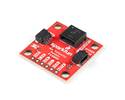
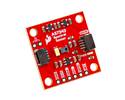
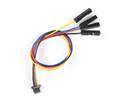
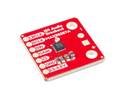
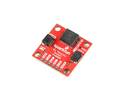
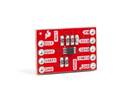
The ultimate navigation upgrade for XRP and FTC robots. This all-in-one optical odometry sensor combines a high-speed PAA5160E1 chip with a built-in IMU for precise, drift-free tracking.
Special Order
Shipping from $9.90
+33 more from our supplier in 7-10 days
Our Code: SKU-010542
Supplier Link: [SparkFun MPN:24904]
Elevate your robot’s autonomy with the SparkFun Qwiic Optical Tracking Odometry Sensor, the leading upgrade that delivers industrial-grade navigation for the Experiential Robotics Platform (XRP) and beyond. By combining high-speed optical tracking with a 6-axis IMU on a single compact board, this sensor enables your robot to navigate complex environments with exceptional precision, without GPS or external beacons.
What sets this board apart is its ability to do the heavy lifting for you. It features an onboard microcontroller that actively performs sensor fusion, combining data from the PAA5160E1 optical sensor and the built-in 6-axis Inertial Measurement Unit (IMU). This means you get robust, real-time position tracking (x, y, and heading) directly from the board, freeing up your robot's main processor for other tasks.

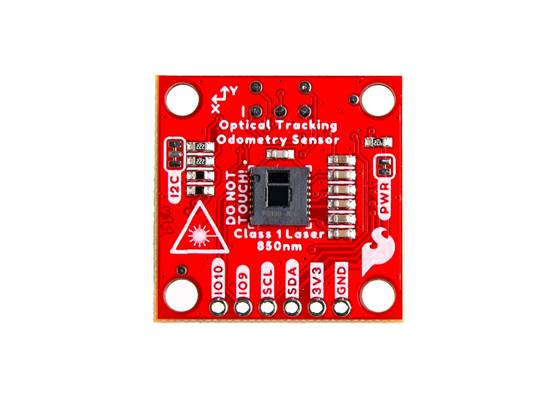
Built around the PAA5160E1 chip from PixArt Imaging, this sensor is engineered for high-speed applications like the XRP, but is more than capable of handling any project you may need it for:
While the sensor has a versatile operating range of 10mm to 27mm across most surfaces, it has specific requirements for soft foam field tiles commonly used in competitions such as FIRST Tech Challenge (FTC). For these porous surfaces, the sensor must be mounted exactly 10mm from the tile surface to ensure accurate tracking.

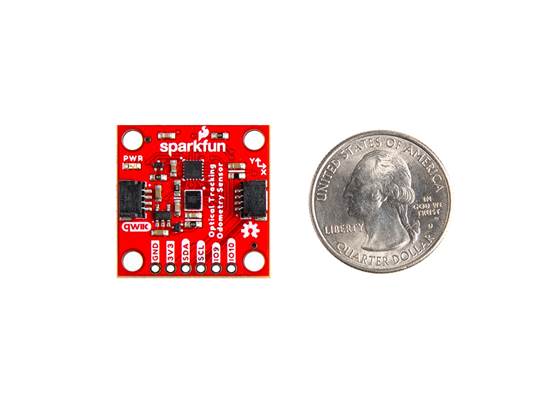
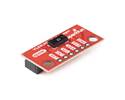
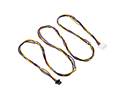
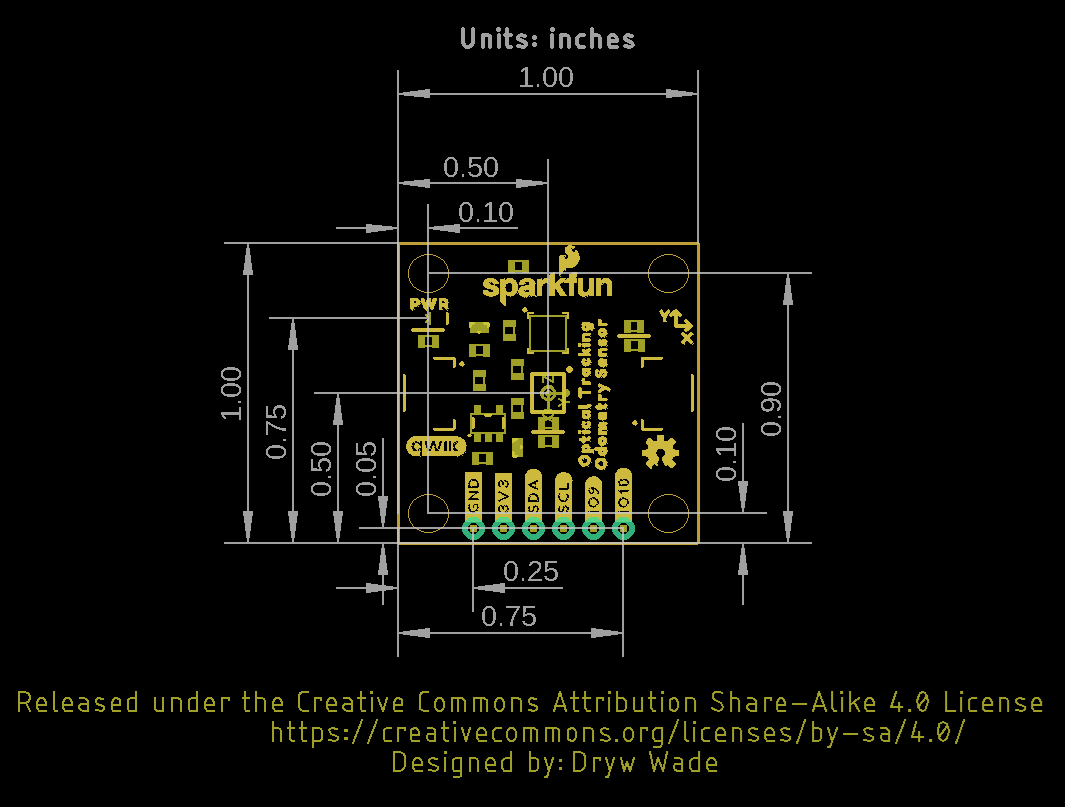
Measuring just 1in. by 1in., this board is significantly smaller than industry-standard boards and fits easily into tight chassis designs. Thanks to the Qwiic Connect System, you can plug it directly into your XRP or other robotics project without complex wiring. With comprehensive Arduino and Python libraries included, you can implement professional-grade odometry in minutes, not days.
STM32:
Optical Tracking Sensor - PAA5160:
6-DOF IMU Accelerometer:


 Brands