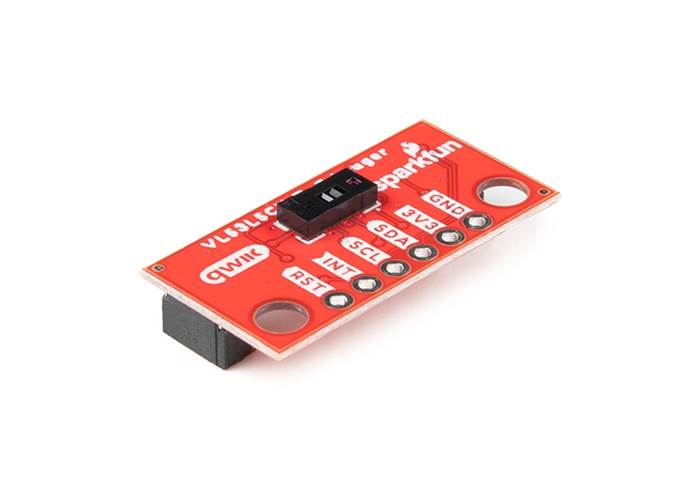
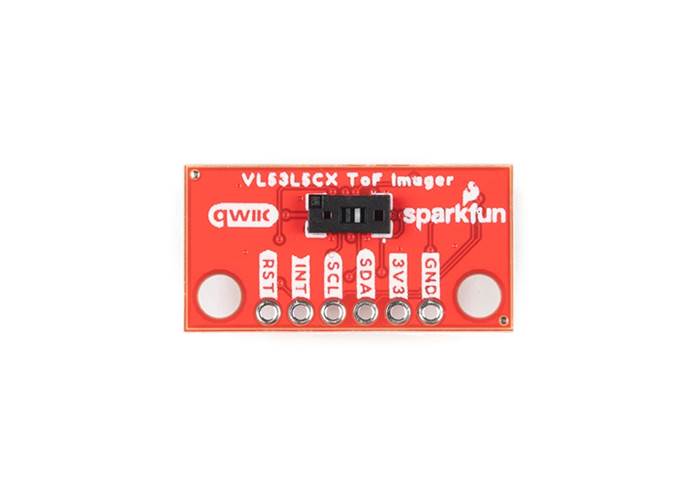
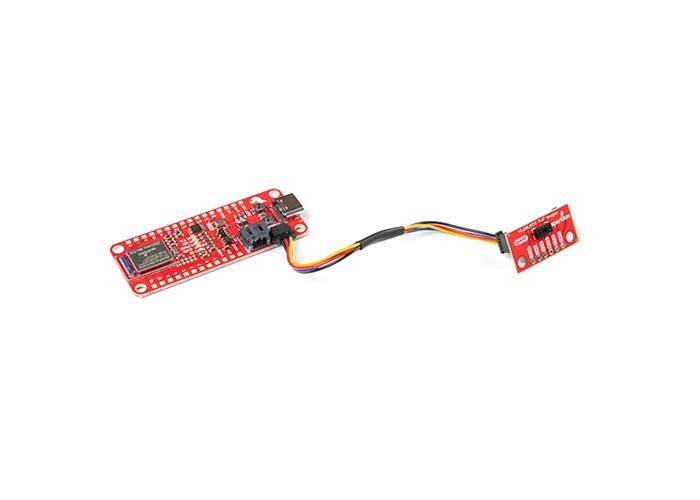
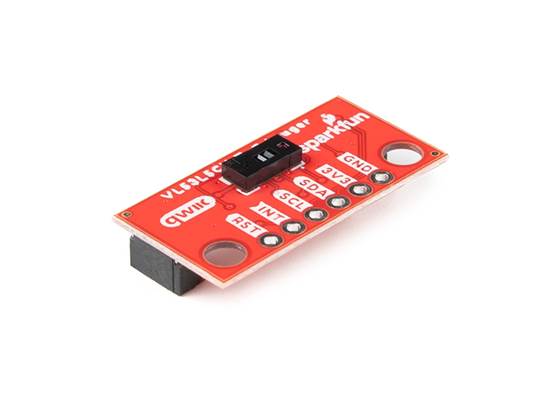
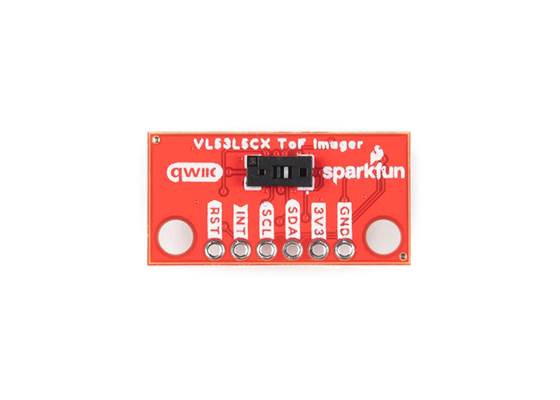
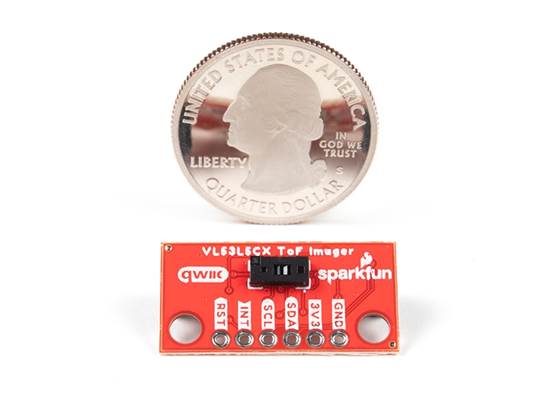
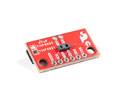
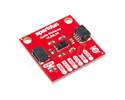
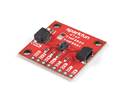
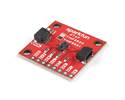
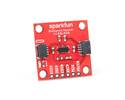
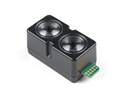
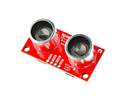
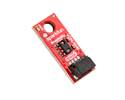
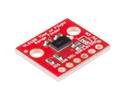
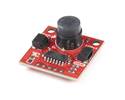
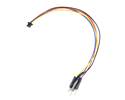
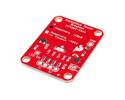
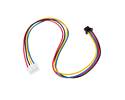
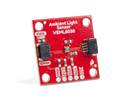
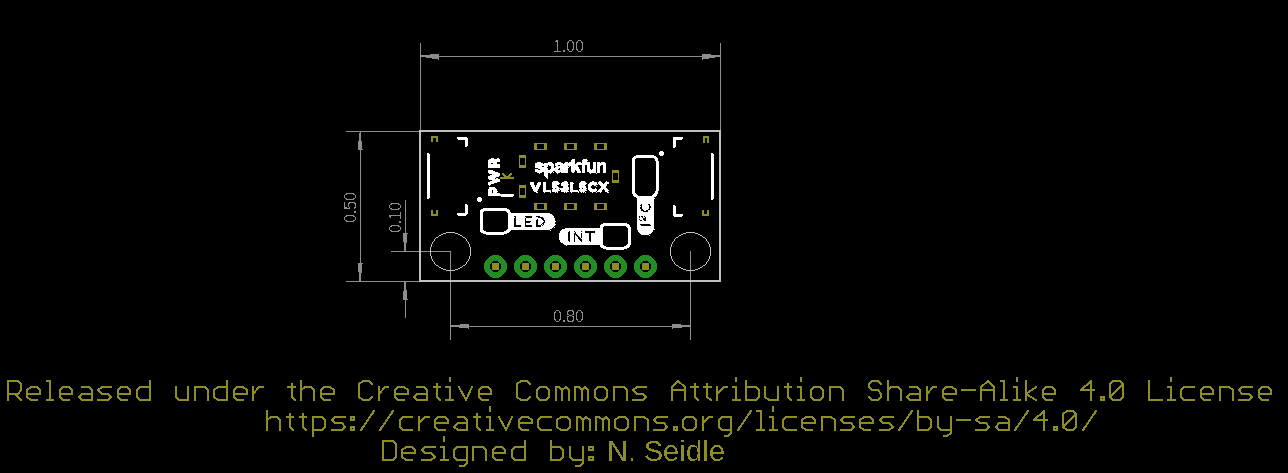
The miniaturized VL53L5CX board is a 64-zone Time-of-Flight imager with a 4m range and 63° FoV, designed for tight integrations and robotics.
Special Order
Shipping from $4.90
+314 more from our supplier in 7-10 days
Our Code: SKU-008039
Supplier Link: [SparkFun MPN:19013]
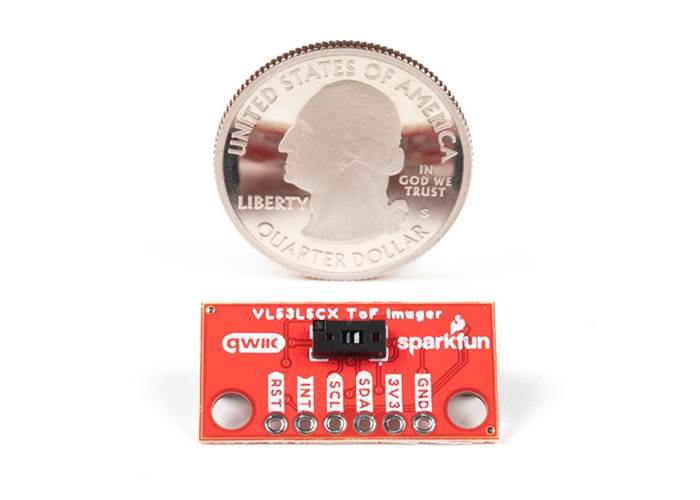
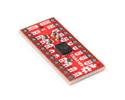
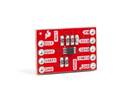
The SparkFun Qwiic Mini ToF Imager packs the incredible 3D sensing capabilities of the VL53L5CX into a footprint half the size of our standard board. Measuring just 0.5-inch x 1-inch, this board is designed specifically for tight spaces and sleek enclosures. It integrates the same SPAD array and optical elements as its bigger brother, delivering a 64-pixel (8x8) depth map that gives your project true vision capabilities rather than just a simple distance number.
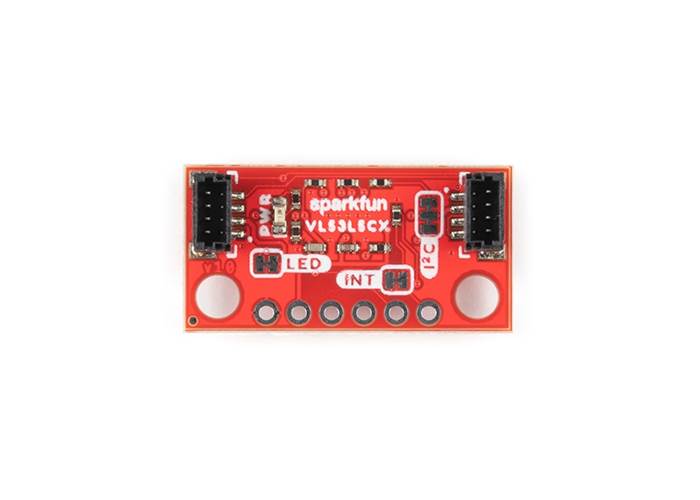
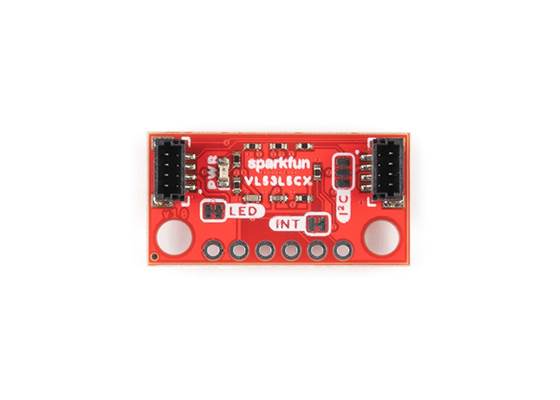
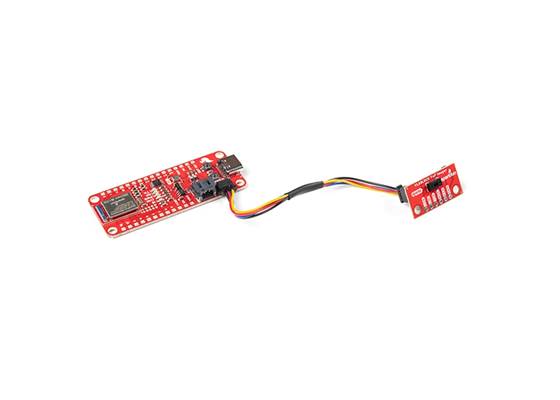
We redesigned the layout to make mounting easier than ever. Unlike standard breakouts, we placed the Qwiic connectors on the back in a vertical orientation.

Despite its tiny size, it sacrifices nothing in performance compared to the larger board:
This Qwiic Mini VL53L5CX ToF Imager is highly advanced, and with that power comes a specific requirement: it must load its firmware (~90KB) over the I2C bus every time it powers on. This means standard 8-bit microcontrollers like the Arduino Uno do not have enough flash memory to handle this sensor. To use this imager, you will need a more capable board with sufficient memory, such as the SparkFun Artemis, an ESP32-equipped board, or a Raspberry Pi RP2040/RP2350 board.

 Brands