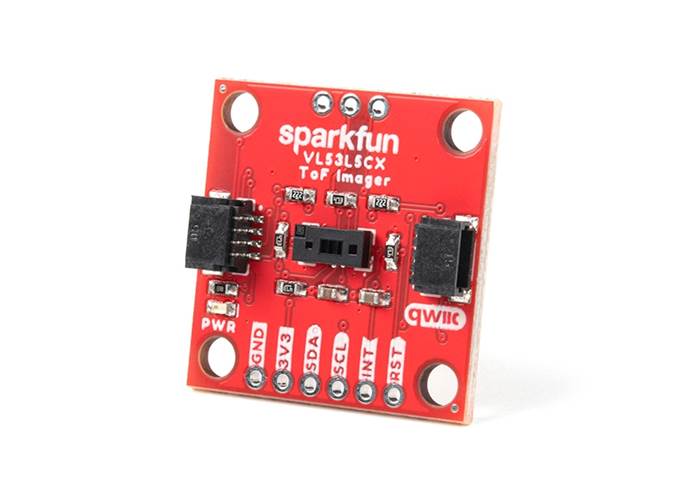
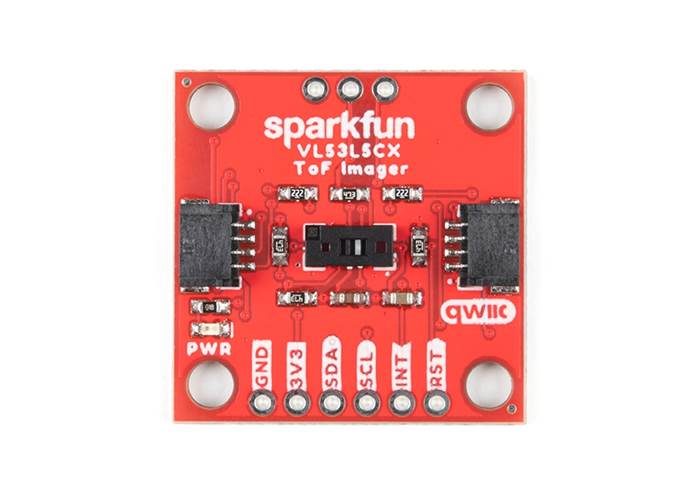
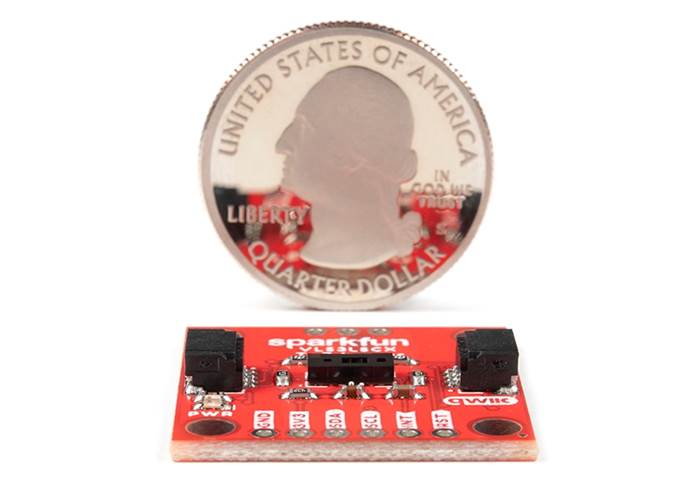
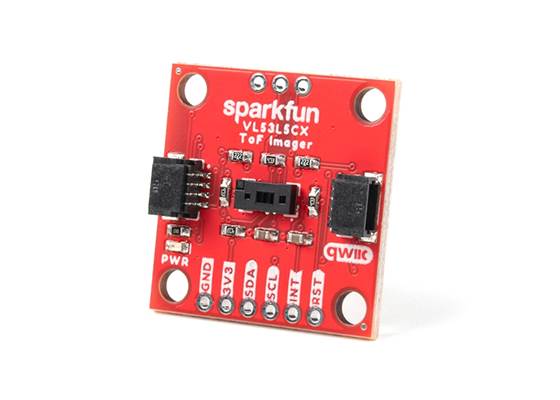
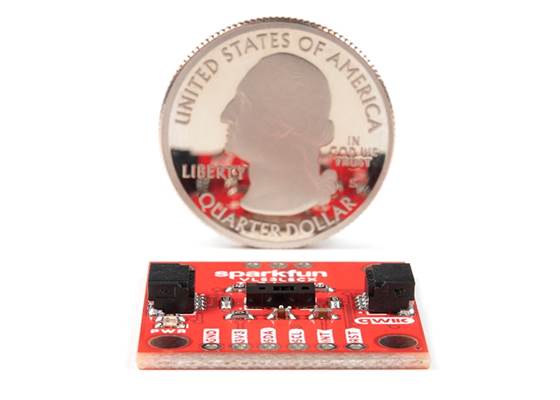
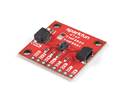
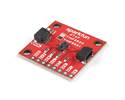
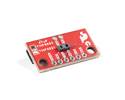
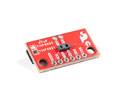
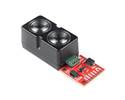
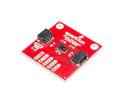
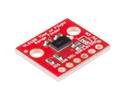
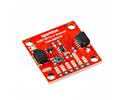
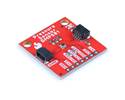
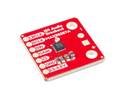
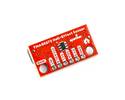
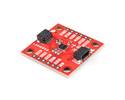
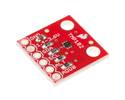
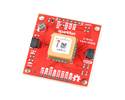
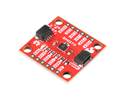
This Qwiic sensor captures a 63° wide depth map, making it perfect for gesture recognition, room mapping, and obstacle avoidance, giving your robot 3D vision!
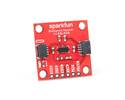
The SparkFun Qwiic ToF Imager represents a massive leap forward in distance sensing. Built around the state-of-the-art VL53L5CX from STMicroelectronics, this board doesn't just measure the distance to a single point—it captures a "depth video" of the world in front of it. By integrating a SPAD array, physical infrared filters, and diffractive optical elements (DOE), this sensor provides a 64-pixel (8x8) grid of distance measurements, effectively giving your robot or project "vision" rather than just a simple proximity check.
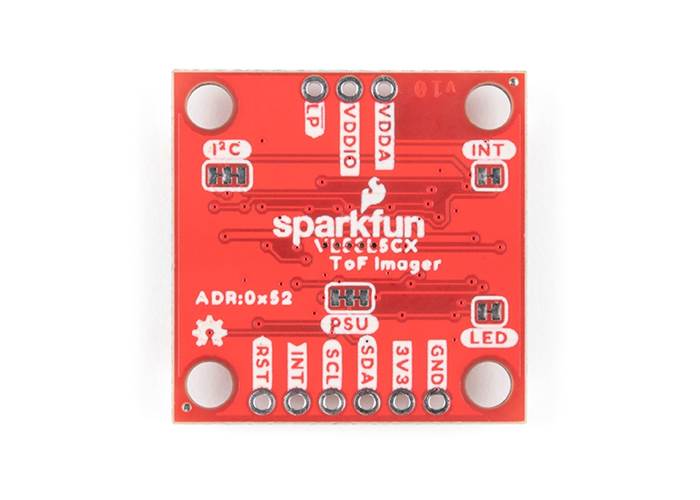
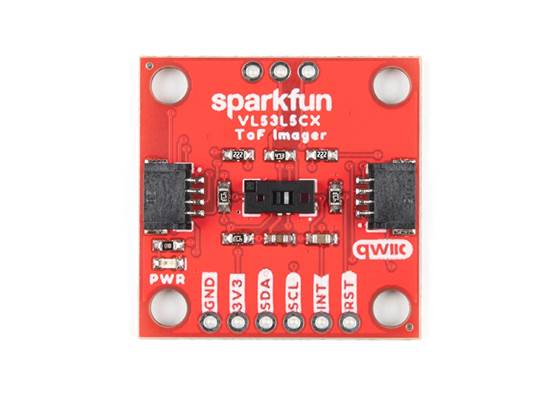
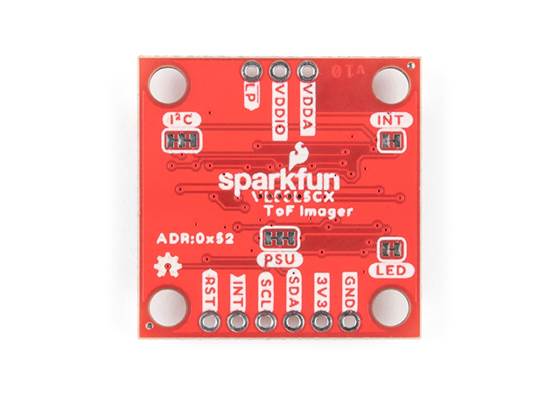
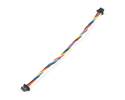
To make integration easy, all communication is enacted exclusively via I2C through our handy Qwiic Connect System, so no soldering is required to connect it to your chosen microcontroller. However, we have still broken out 0.1”-spaced pins in case you prefer to use a standard breadboard.
Unlike standard sensors that see a narrow beam, the VL53L5CX offers a wide 63° diagonal Field-of-View and complex processing capabilities:

This sensor is highly advanced, and with that power comes a specific requirement: it must load its firmware (~90KB) over the I2C bus every time it powers on. This means standard 8-bit microcontrollers like the Arduino Uno do not have enough flash memory to handle this sensor. To use this imager, you will need a more capable board with sufficient memory, such as the SparkFun Artemis, an ESP32-equipped board, or a Raspberry Pi RP2040/RP2350 board.

 Brands