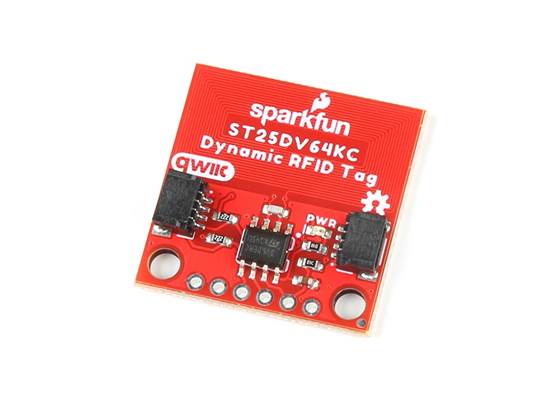
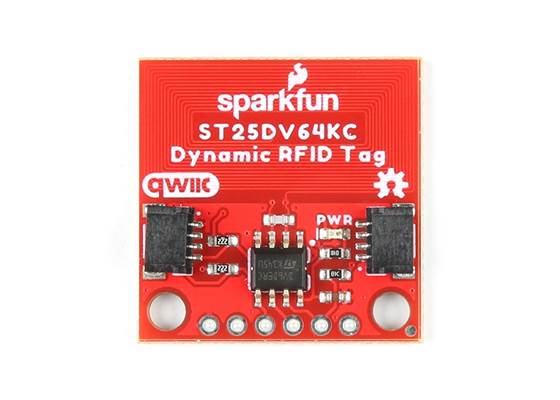
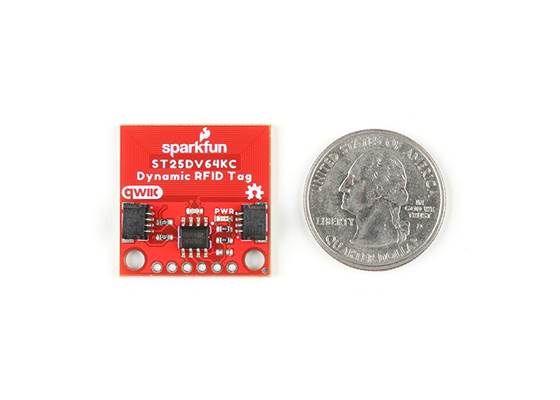
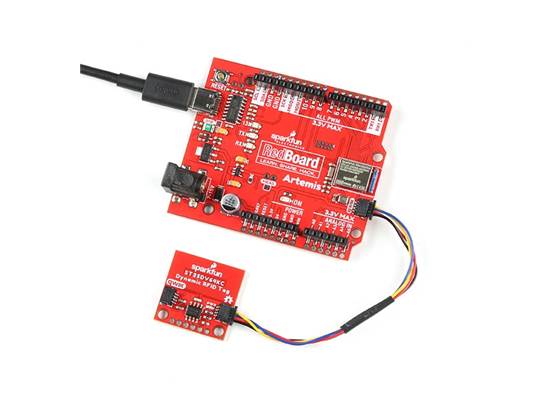
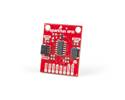
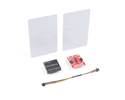
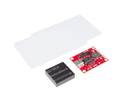
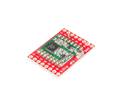
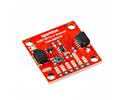
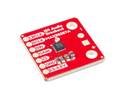
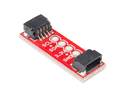
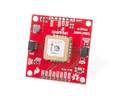
A dynamic NFC/RFID tag featuring a built-in PCB antenna and 64-kbit of EEPROM that can be accessed via I2C or wireless RF, even when the board is unpowered.
In stock in Australia
Shipping from $4.90
+121 more from our supplier in 7-10 days
Our Code: SKU-010036
Supplier Link: [SparkFun MPN:21274]
Make your next project interact directly with smartphones and RFID readers using the SparkFun Qwiic Dynamic NFC/RFID Tag. Built around the Near-Field Communication (NFC)/Radio-Frequency Identification (RFID) ST25DV64KC IC from STMicroelectronics©, this tag provides 64-kbit (8-kbytes) of EEPROM memory that can be accessed via both a wired I2C connection and wireless RF. What makes this board incredibly useful is its ability to be read from and written to via NFC, even when your main circuit is completely powered down or disconnected!
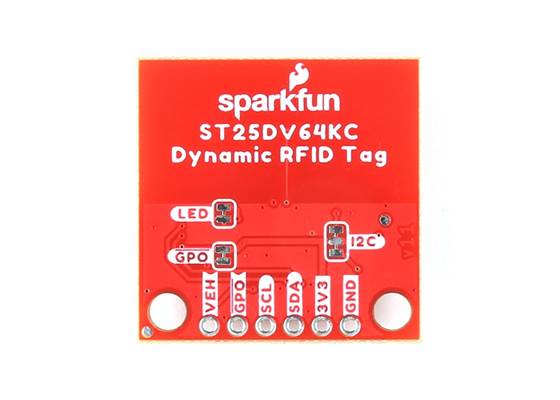
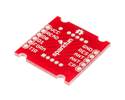
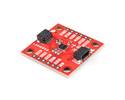
This board offers two distinct interfaces for powering and communicating with the ST25DV64KC. A pair of onboard Qwiic connectors routes the SDA/SCL lines alongside 3.3V and Ground, so you can start communicating over I2C instantly without soldering. For more permanent installations or custom breadboarding, a standard 0.1-inch-spaced PTH header breaks out the power pins, I2C interface, energy-harvesting pin (VEH), and general-purpose output (GPO).
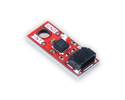
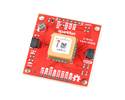
To establish a reliable wireless connection, the board features a built-in PCB antenna designed to boost the RF read range. In real-world testing, this provides a comfortable scanning distance of a few centimeters when used with a standard smartphone NFC reader app.

Beyond basic data storage, this tag is packed with features for advanced RF applications and conforms to the ISO/IEC 15693 and NFC Forum Type 5 standards, ensuring excellent compatibility with modern devices.
To make integration as smooth as possible, our comprehensive Arduino Library includes everything you need to modify memory regions, implement password controls, and format your data. We have also included built-in methods for reading and writing NDEF (NFC Forum Data Exchange Format) records. This means you can easily program the tag to share URLs, WiFi credentials, or plain text that a smartphone can natively interpret, and it has been fully tested with apps such as ST's "NFC Tap" (available on the Apple App Store and Google Play) and wakdev's "NFC Tools."
Whether you are building an interactive art installation, a smart inventory system, or simply want to share WiFi credentials with guests with a tap on their phone, this tag gives you the memory and flexibility to make it happen!
ST25DV64KC Features:
Arduino Library Features:


 Brands