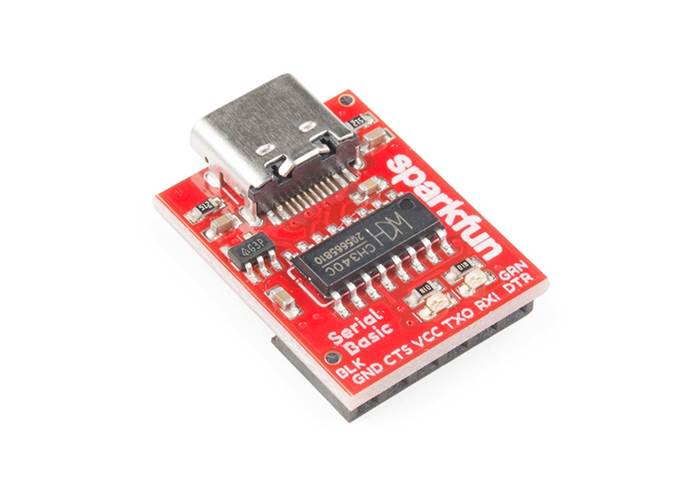
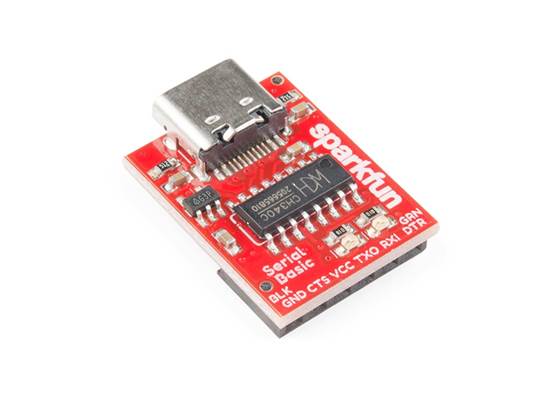
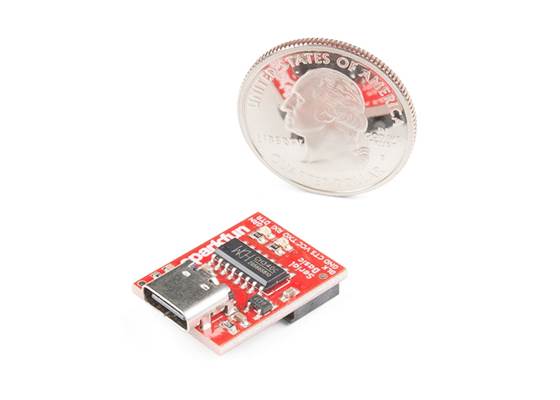
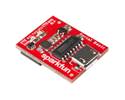
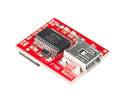
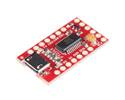
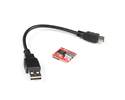
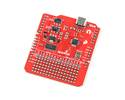
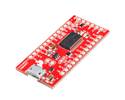
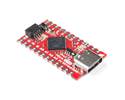
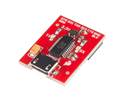
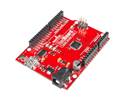
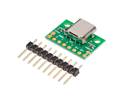
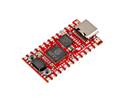
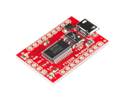
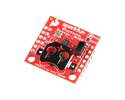
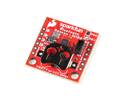
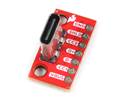
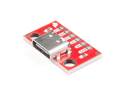
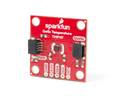
The modern alternative to FTDI! This USB-to-Serial adaptor features the CH340C chip, a reversible USB-C connector, and up to 1.5A power delivery.
Special Order
Shipping from $4.90
+598 more from our supplier in 7-10 days
Our Code: SKU-005243
Supplier Link: [SparkFun MPN:15096]
The SparkFun Serial Basic Breakout - USB-C is the latest evolution of our easy-to-use USB-to-Serial adapters. Built around the CH340C IC, this board upgrades you to the modern USB-C connector, effectively future-proofing your toolkit. It works with both 5V and 3.3V systems and, thanks to the CH340C architecture, installs automatically on most operating systems without requiring additional drivers.
We’ve finally solved the universally frustrating dilemma of plugging in a USB cable correctly: the connector is fully reversible. But beyond convenience, this upgrade packs a punch for your projects. Leveraging the USB-C standard, this board can deliver up to 1.5A of power at 5V (that's up to three times more than previous USB generations) making it ideal for power-hungry applications without requiring a separate power supply.

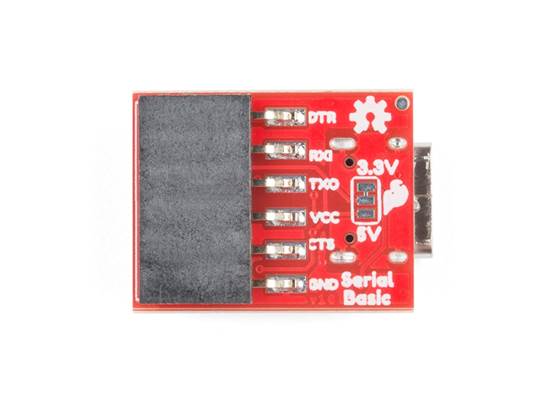
We designed the pinout to mimic the common DTR/RXI/TXO/VCC/CTS/GND configuration found on hundreds of FTDI derivatives.
The board is capable of working with both 5V and 3.3V systems via a jumper located on the rear of the board:

 Brands